Building for the Long Haul: Sustainable and Upgrade-Ready Pool Design
A pool outlasts almost everything else you put in it. The shell, the room around it and the plant space will still be there in thirty years. The heat pump, the cover, the controls and the water treatment will not.
That is where the trouble usually starts. Equipment has a working life of ten to fifteen years. If there is no room to get it out and no spare capacity to feed something better, a simple replacement turns into building work. Floors come up, pipework gets cut, and the pool sits unused for weeks.
It does not have to go that way. The aim is simple. Build a pool that runs efficiently today and is easy to improve in years to come.
Start with the heat you are losing
It is tempting to jump straight to the heat source. The bigger win is usually stopping heat escaping in the first place.
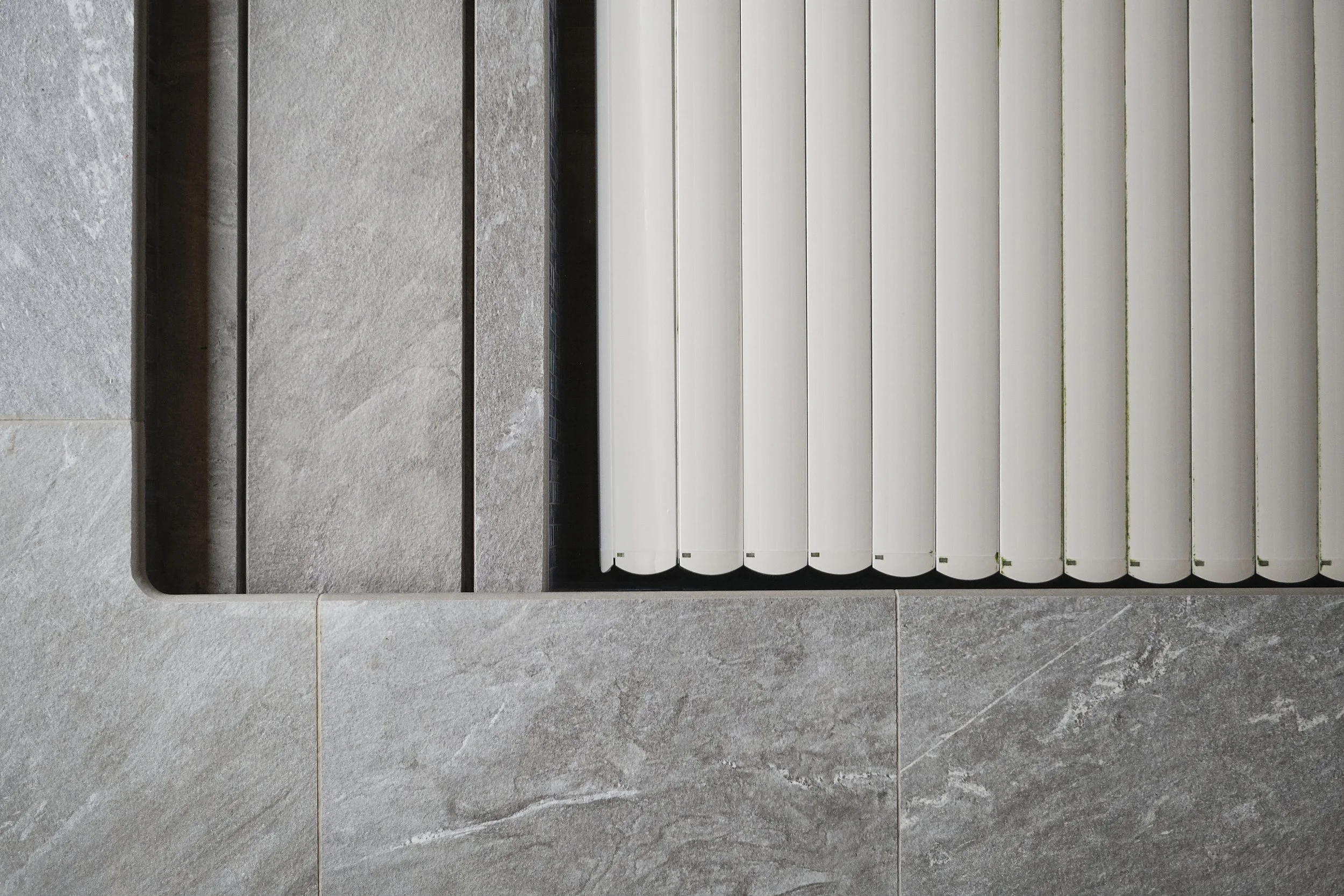
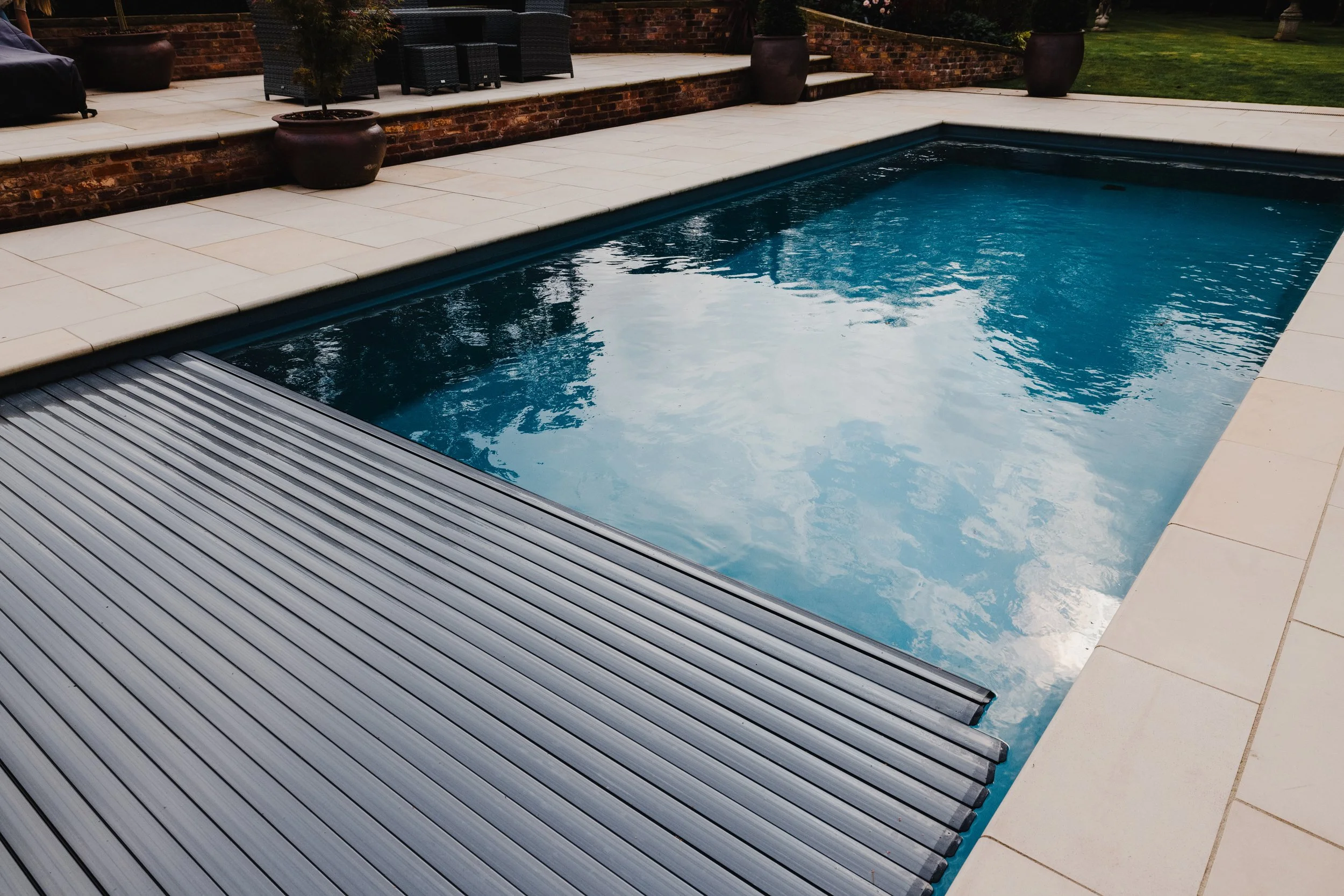
An uncovered indoor pool can lose up to 60 percent of its heat through evaporation. That makes the cover a piece of equipment, not an extra. An insulated cover cuts heat loss and evaporation by 50 to 70 percent. Outdoors, an automatic slatted cover with thermal slats gives the best results across the year.
We saw this clearly on a refurbishment in Alderley Edge, where we replaced an existing 8 x 4 metre indoor pool's systems. The in floor automatic slatted cover cuts water evaporation by up to 90 percent and heat loss by up to 70 percent, which made a real difference to the client's running costs.
The other basics matter just as much:
Insulate the pool room properly and keep it airtight, agreed with building control under Part L
Use controlled ventilation with heat recovery rather than simple extract
Agree a sensible water temperature with the client early, because every extra degree costs money
Keep pipe runs short and correctly sized
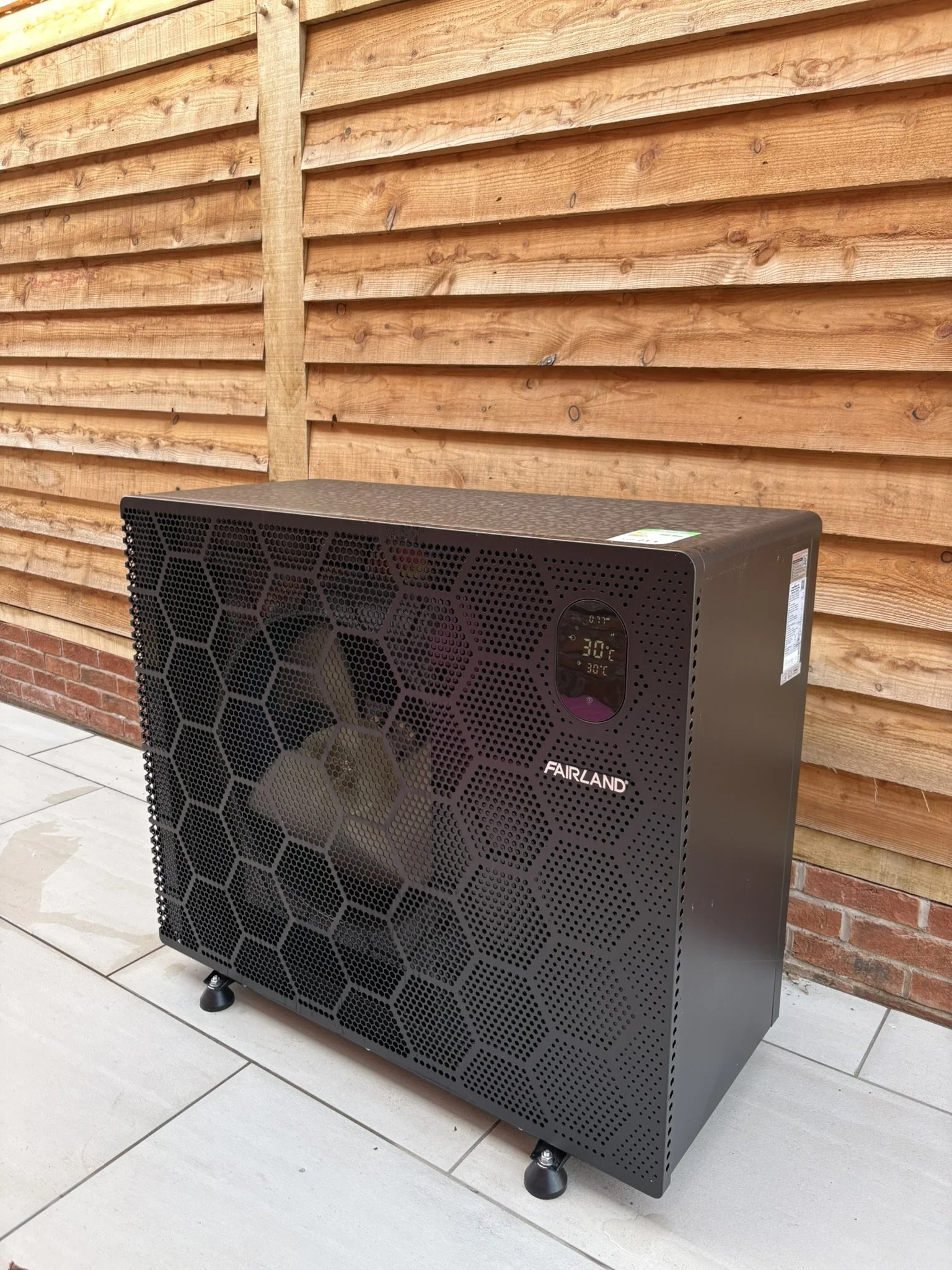
Once the losses are under control, the heating specification gets easier. Air source heat pumps are now the main heat source on most new private pools, with a gas or electric boiler kept for larger projects or as a backup. Sizing depends on the pool volume, surface area, whether it is indoors or out, the target temperature and the local climate.
Indoor private pools usually need somewhere between 15kW and 30kW. Going slightly larger cuts run time and helps the pool recover faster after a backwash.
Put together, modern equipment can cut long term running costs by up to 50 percent compared with older kit. That is why a refurbishment often pays for itself in the bills rather than just in how the pool looks.
Leave room for the next set of equipment
Designing for upgrades is mostly about space, access and a bit of spare capacity. It costs very little at design stage and a great deal later.
Six things are worth getting right:
1. Plant room size and access.
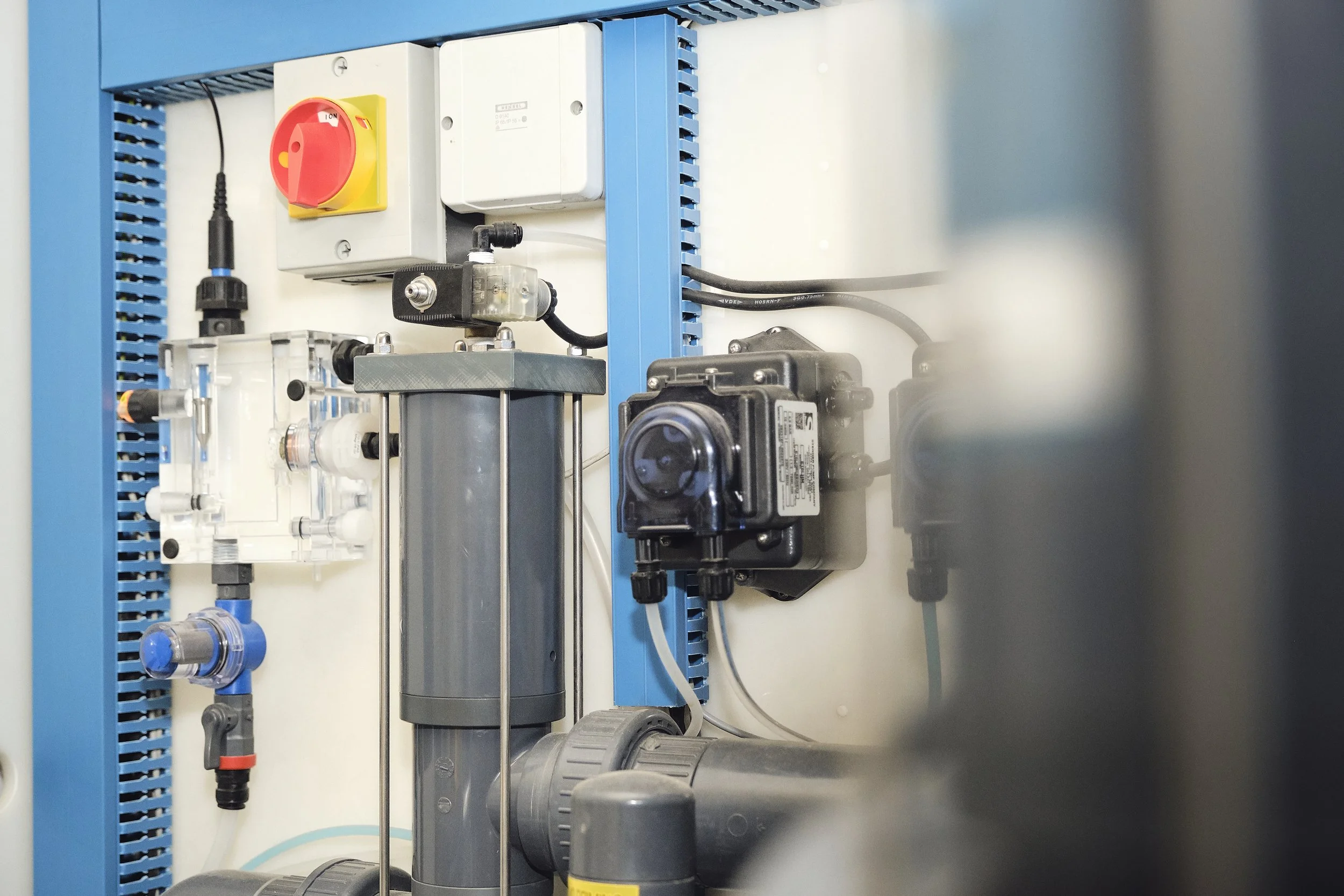
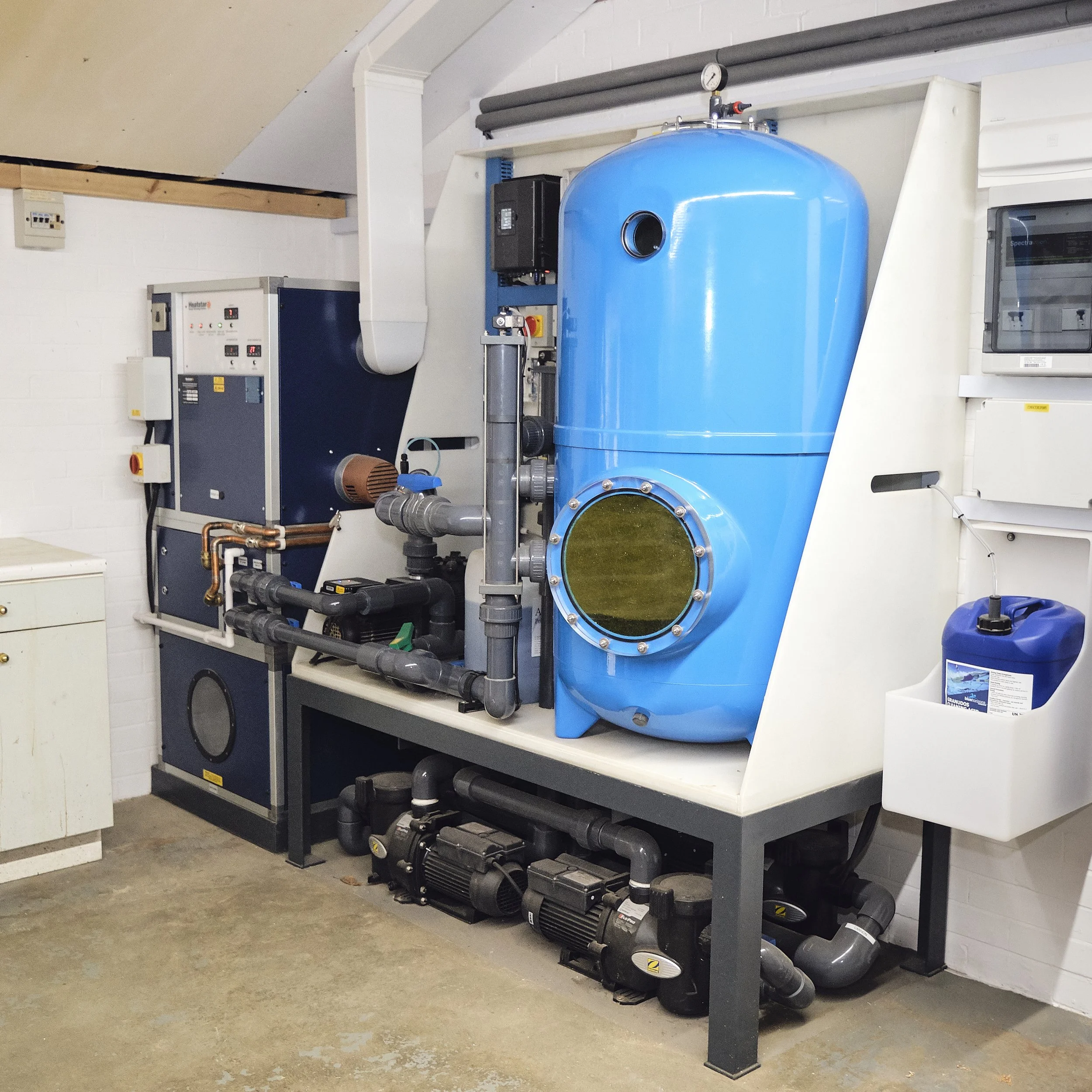
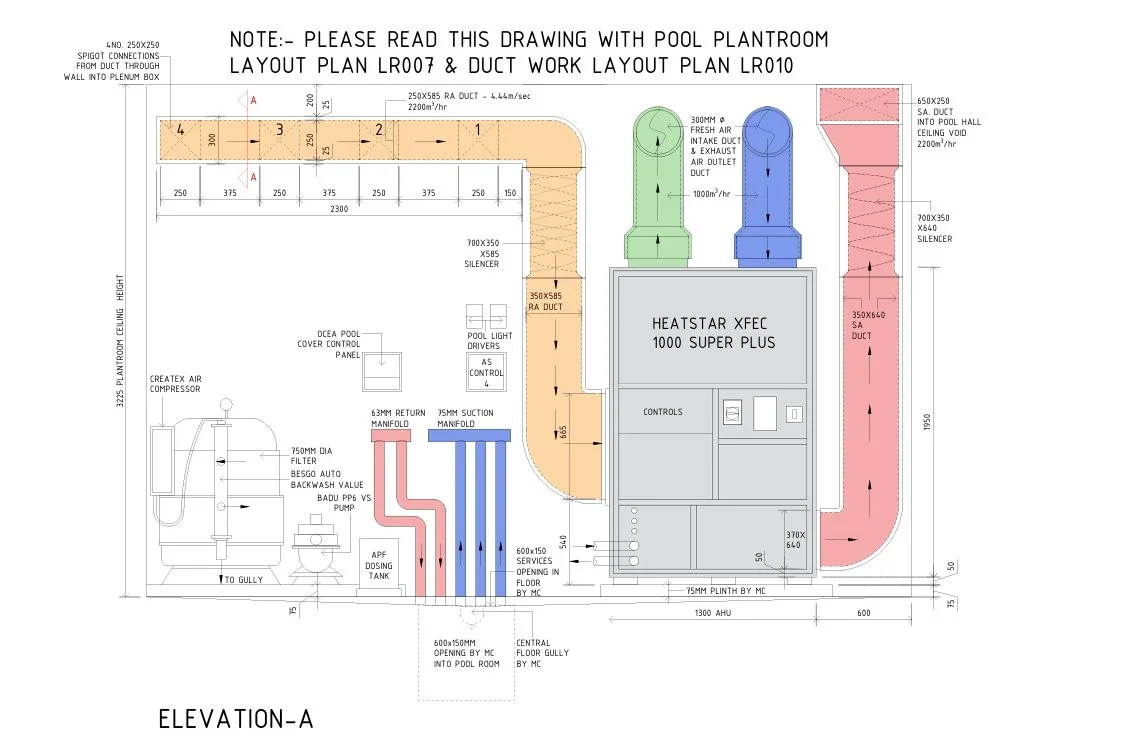
Keep the plant room close to the pool so pipe runs are short and less heat is lost. It needs floor drainage, controlled ventilation, mains water and its own electrical supply. Most importantly, plan how equipment comes out. A door and route wide enough to remove a filter vessel or heat pump in one piece saves a lot of grief.
2. Spare electrical capacity.
A few spare ways in the pool board means a future heat pump, a dehumidification upgrade, an automation system or a sauna can be added without going back to the incoming supply.
3. Sensible valve layout.
Isolation valves, unions and a little working space around the plant let you change one item without draining the pool or cutting pipework.
4. Spare ducts.
Run empty ducts from the plant room to the pool and out to the garden. Adding sensors, lighting, a cover or a wellness feature later becomes a straightforward job.
5. A shell built once.
A properly engineered reinforced concrete shell with a sound waterproofing strategy is the part you want to get right first time. Finishes, lighting and equipment can all be changed around it.
6. Air management with access.
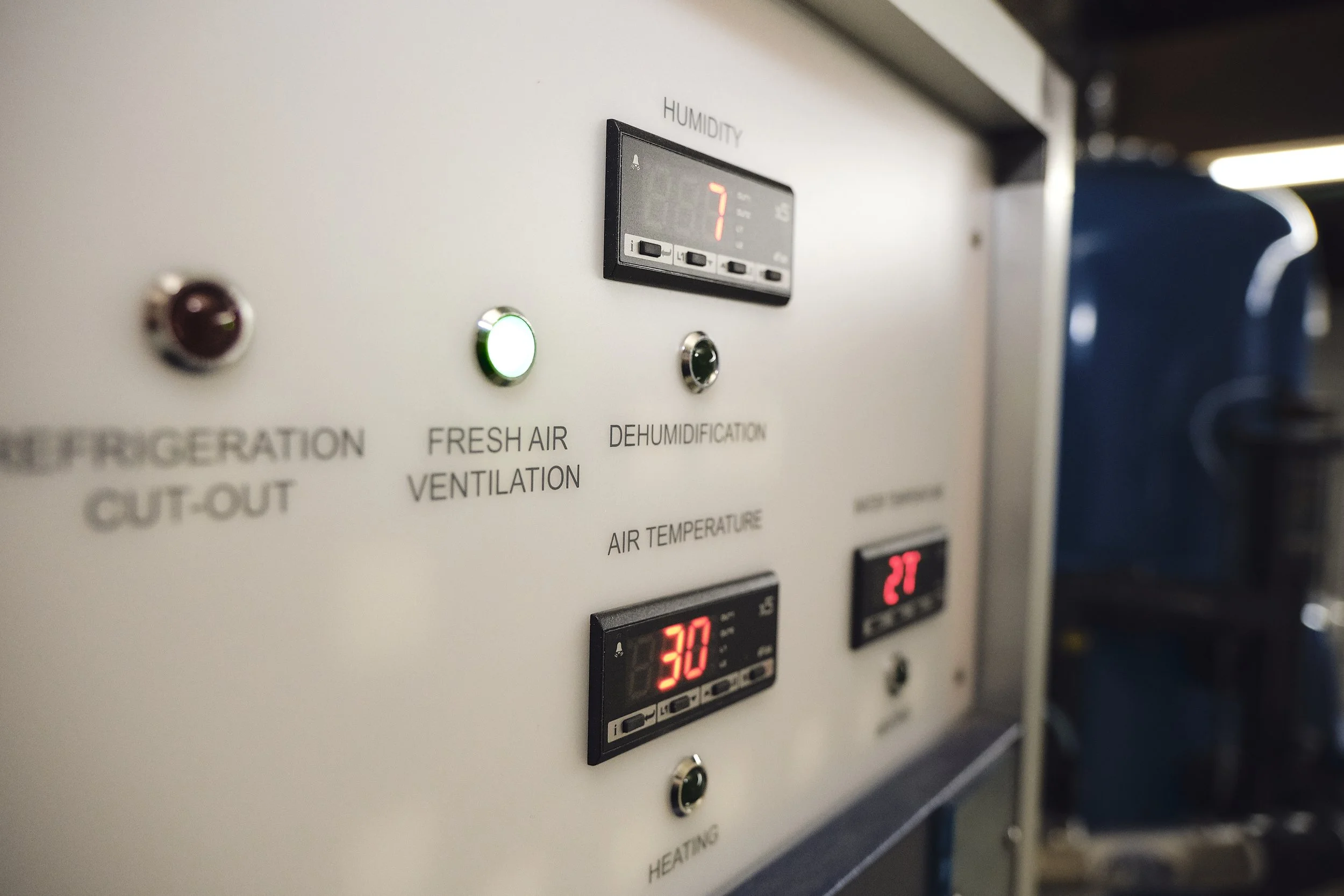
Indoor pools need proper systems to control humidity, temperature and condensation. Units such as Heatstar are efficient and hold conditions steady, but they also need a clear service and replacement route to protect the building over time.
Get the pool contractor involved early
A high end pool is a structural and mechanical job as much as a design one. It involves the concrete shell, waterproofing, drainage, air management, humidity control, specialist electrics and plant room design.
Bringing a pool contractor in after the structural work is finished usually means redesign, extra cost and delays. Come to it early and everything above can be built into the structure instead of worked around.
We work with architects, M&E consultants and main contractors from first feasibility through to commissioning. We also provide technical drawings, specification support and equipment schedules that can go straight into tender documents.
Refurbishment is the moment to fix all this
Plenty of pools we look at were built well but are running on equipment two or three generations behind. A refurbishment is the obvious time to put that right.
On the Alderley Edge project the pool was stripped back to its shell, re rendered and waterproofed. Pipework, lighting and plant were brought up to current specification, a Heatstar air management system was installed for its efficiency and environmental control, and the automatic cover was built into the floor.
For an existing pool, a sensible order of work is:
Survey the structure, waterproofing and pipework before deciding anything
Deal with heat loss first, starting with the cover, insulation and ventilation
Replace the heat source with correctly sized modern equipment
Update filtration, water treatment and controls
Improve plant access and electrical capacity while the space is open
Do it in that order and the money spent on equipment is working on a building that is no longer wasting heat.
Six questions before the drawings are fixed
Is an insulated or automatic cover actually in the specification?
Has the plant room been sized for servicing, with a clear route to get equipment out?
Is there spare electrical capacity and spare ducting for later additions?
Have insulation, ventilation and heat recovery been agreed with building control?
Are the pool drawings and equipment schedules part of the tender package?
Is there a maintenance plan in place from handover?
Answer those six and the pool will cost less to run, be easier to look after, and be far simpler to improve in ten years.
CSPAS is one of Cheshire's leading specialists in luxury swimming pool design, construction and wellness engineering. As an award winning, family run business with over two decades of experience, we are trusted by architects, landscape designers, developers and high net worth homeowners for both bespoke concrete pools and premium RivieraPool one piece installations.
We handle full plant and filtration design, environmental control for indoor pools and complete wellness suites including saunas, steam rooms and hydrotherapy features. We also refurbish and maintain existing pools that need modernising.
If you have a pool in design, or an existing one that is costing too much to run, we are happy to talk it through.